
In most cases, trailer breakdowns start with small problems like a loose wire or a tyre sitting a little low. A wheel bearing that’s been humming for weeks.
At our workshop, the same faults come through to us again and again: brakes, tyres, suspension, electrical, couplings, wheel bearings, body damage and alignment drift.
The fixes range from basic checks and routine maintenance to repairs best handled by certified technicians, and almost all of them gave a warning first.
For trailer owners and operators around Perth, including commercial drivers and fleet managers, spotting these issues early helps prevent costly breakdowns, protect trailer performance, extend component life and avoid a dangerous failure mid-trip.
This guide covers the common trailer problems and fixes we see around Perth, along with practical maintenance tips and when to hand the job to a professional.
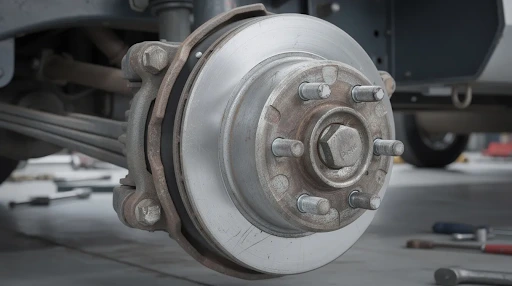
Trailer Brake Problems: Causes, Signs and Repairs
A trailer that can’t stop properly puts everyone around it at risk. Even so, brakes are one of the most neglected parts on a trailer.
Signs of Trailer Brake Problems
You’ll notice trouble before you see it:
- Reduced stopping power, or the tow vehicle doing most of the work, including a delayed response after the brake pedal is pressed
- The trailer pulling to one side under braking, which points to uneven braking across axles
- Grinding, squealing or scraping from drums or rotors
- Warning lights or fault codes on the brake controller, which can point to system faults in electric brakes and show the brakes are not working properly
- One hub running much hotter than the others
Trailer Brake Issues: Causes
The trailer brake problems causes are:
- Worn brake shoes that have lost their friction material
- Poor connections at the trailer plug, dirty or bent connector pins, or a corroded ground wire at the trailer frame
- Glazed or heat-damaged drums
- Trailer brake wiring that’s been rubbed or cut near an axle on electric trailer brakes
- Brakes locking up on a light load because the controller gain is set too high, though faults can also come from the electric brake controller or a single electric brake circuit issue
How to Fix Them
Start with the basic things like, regular inspection of trailer brakes is critical to safe towing. Test the manual override at low speed and listen for odd noises. Feel each hub for heat after a short drive, and check the wiring at every axle; if connection faults are suspected, clean the plug, then disconnect and reconnect it.
If warning signs persist, braking fades under load, or the trailer keeps darting sideways, book a professional diagnosis. Brakes aren’t worth gambling on.
Trailer Tyre Blowout Reasons and Uneven Wear
Tyre failures on commercial trailers are rarely random. Under-inflation and overloading are two of the most common trailer tyre blowout reasons, and both build heat, while tyre wear is often the visible result of heat, overload, and suspension or alignment faults. Your tyres show the first signs of underlying trailer problems. Heat is what destroys a tyre.
Common Causes of Tyre Damage
- Wrong pressure or overloading. Run the pressure the tyre manufacturer recommends for your load, and stay within the trailer’s Aggregate Trailer Mass (ATM).
- Poor alignment. A misaligned axle scrubs tread unevenly, so correcting it helps restore proper suspension geometry.
- Worn suspension. Sagging springs, tired bushes, or other worn suspension components can drag tyres at odd angles and cause abnormal tyre wear.
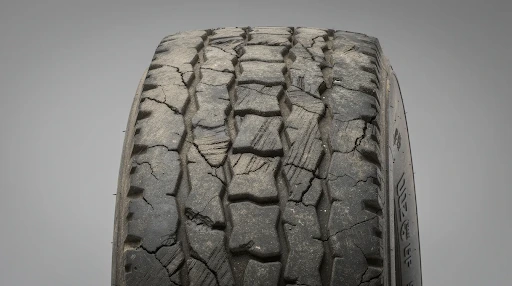
- Age and sun. Rubber perishes even when tread looks fine, and WA sun is hard on it. Check the date code and look for sidewall cracking.
- Road hazards. Potholes and debris damage sidewalls and bead seating.
Preventing Tyre Problems
Preventive maintenance includes checking tyre pressure, condition, age, and wear before every trip. On long hauls, stop and inspect the tyres along the way to help protect tyre life. A tyre pressure monitoring system also helps long-distance operators catch slow leaks early.
Our commercial tyre fitting and wheel alignment can be done in the same visit as your repair. That way you fix the cause, not just the tyre.
Trailer Suspension Problems: Signs and Fixes
Heavy loads, rough roads and years of work wear suspension faster than most operators expect. The result is poor handling, chewed tyres and, in serious cases, structural failure.
Trailer Suspension Problems: Signs
- Uneven ride height, with one side sitting lower
- Excessive bouncing, showing the suspension is no longer controlling road impact well
- Clunks, creaks or squeaks from bushes, shackles or equalizer-type links, as these small components wear out at pivot points
- Cracks in chassis rails, or bent drawbars and headboards
- The trailer wandering or tracking poorly behind the truck
Causes and Repairs
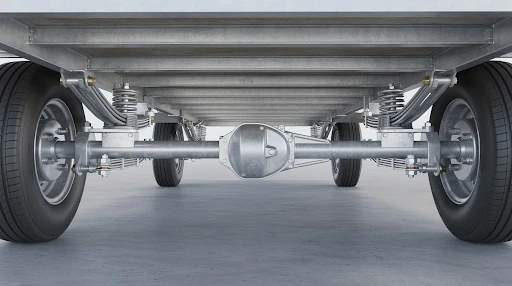
Worn leaf springs are among the most common suspension faults we replace, and they often affect related suspension parts and other suspension components. A worn bushing can cause sway and start a chain reaction that leads to equaliser damage, axle misalignment and reduced braking performance, while air suspension leaks reduce ride height and load support.
Overloading fatigues springs and shackle pins, and poor cargo balance or shifting cargo weight can also strain the suspension, while corrosion weakens rails, especially near the coast.
Visible cracks in the suspension or chassis need a qualified assessment. Structural welding, spring replacement and axle realignment should be handled by certified technicians, and heavy-duty trailers should have these issues checked by a qualified technician.
Trailer Wiring and Light Faults
Most trailer wiring and light faults come back to one thing: a bad ground. Dim lights often point to a poor earth, so check the ground wire first as the likely return path to the frame or inside the plug.
Other issues we see regularly:
- Loose or damaged wires along the wiring loom, especially where they rub over axles or through holes in the trailer frame
- Brake lights or indicators out on one side, usually from a chafed wire or broken connector pin
- Flickering LEDs from corroded connector pins at the trailer plug
- Shorts to earth that keep blowing fuses in the tow vehicle
For simple faults, clean the pins with contact cleaner and a wire brush, then apply dielectric grease to slow corrosion. A damaged plug is cheap and easy to replace.
For repeated blown fuses or controller errors tied to wiring, professional diagnosis saves hours of guesswork, and connection faults can stop trailer brakes from working properly.
Trailer Coupling Problems You Shouldn’t Ignore
Couplings are safety-critical. The National Heavy Vehicle Regulator (NHVR) has issued a safety bulletin on an increase in trailer drop and decoupling events, and it stresses pre-start checks before every journey.
Look for:
- Worn or cracked coupling pins and drawbar eyes
- Looseness or play in the coupling
- Damaged safety chains
- Air lines and electrical cables that aren’t properly secured
Do a tug test before you leave. Play in a coupling may not be visible when the trailer is stationary, so a quick look isn’t enough.
Worn parts should be replaced, not nursed along. If you’re unsure about a coupling, have it inspected before the next trip.
Trailer Wheel Bearing Failure Signs
Bearing failure builds quietly, then happens fast. Watch for:
- A grinding or roaring noise that changes through corners
- Wheel vibration, wobble or play when you rock the wheel
- A hub that’s noticeably hot after driving
- Grease leaking onto the hub or tyre
- A burnt smell, or smoke from the wheel end
Lack of grease and water contamination are two common causes. Routine checks extend bearing life, and catching problems early is far cheaper than replacing an axle.
Don’t keep towing on a noisy bearing. A failed bearing can lead to wheel separation.
Trailer Body Damage: Common Problems and Repairs
Loading and unloading take a toll, especially when cargo shifts and damages the body or deck. Decks crack, headboards bend, mudguards get smashed, and chassis rails corrode.
Key areas to check:
- Deck surfaces for splits, warping or rot
- Headboards and tie-down points on the trailer frame for deformation that can affect trailer safety
- Mudguards for cracks or missing sections
- Chassis rails for corrosion or cracks at weld points
Any crack in a load-bearing structure is a safety risk. Frame or drawbar damage needs proper welding and reinforcement, not a temporary patch.
Trailer Wheel Alignment Problems and Warning Signs
Bad alignment costs you in tyres, fuel use and handling, and it can shorten tyre life. A misaligned axle increases wear and rolling resistance, so your truck works harder for the same load.
Warning signs include rapid or uneven tread wear, tyre wear patterns such as cupping, feathering, or edge wear, a trailer that won’t track straight, and vibration at highway speed. Alignment can also drift after suspension repairs, axle replacement or a hard hit.
Our precision wheel alignment service restores correct tracking, and it pays for itself in tyre life and fuel use.
How to Maintain a Trailer in Perth Conditions
Knowing how to maintain a trailer comes down to routine. Preventive maintenance catches small faults before they become expensive repairs. Here’s a practical schedule:
| Component | What to Check | When to Check |
| Brakes | Trailer brakes, braking performance, noises, warning lights for safe towing | Before trips and at scheduled servicing |
| Tyres | Pressure, tread wear, cracks, age | Before each trip |
| Suspension | Wear, ride height, damaged suspension components | During routine inspections |
| Electrical | Lights, wiring, connections | Before each trip |
| Couplings | Wear, play, safety chains, secured lines | Before each trip |
| Body and chassis | Cracks, corrosion, structural damage | During regular inspections |
| Wheel alignment | Uneven tyre wear, tracking | When symptoms appear |
| Wheel bearings | Noise, heat, play, grease condition | At every service interval as part of routine inspection |
Trailer Checks You Can Do Yourself, and When to Book a Pro
Basic Checks You Can Do
- Check tyre pressure and condition before every trip
- Test all lights, the trailer plug, and connector pins
- Look underneath for visible suspension or chassis damage, and check where wiring or the wiring loom may rub on the trailer frame
- Notice odd noises, vibrations or handling changes
- Disconnect and reconnect the plug to check for intermittent faults
Signs You Need Professional Repairs
- Reduced braking or persistent brake faults, which can mean the trailer brakes are not working properly and should be professionally tested
- Uneven tyre wear despite correct pressure
- Suspension or chassis damage
- Electrical faults that keep returning and put safe towing at risk
- Anything safety-related that you can’t confidently diagnose
A trailer with a serious safety fault shouldn’t keep working until it’s been properly assessed. A roadside breakdown, or worse, costs far more than catching it early.
Need Professional Trailer Repairs in Perth? Contact ATTS Group
At ATTS Group, we handle common trailer problems and fixes from our fully equipped workshop at 45 Victoria Road, Kenwick. Our certified heavy vehicle technicians work on semi-trailers, B-doubles, rigid trailers, tippers, tankers and fleet vehicles, including jobs for fleet operators managing heavy-duty trailers.
Every job follows the same steps:
- A full inspection to find the fault, with preventive maintenance helping reduce downtime and expensive repairs
- A clear, upfront quote before any work begins
- Repair using quality parts from major brands
- A quality check and road test
Because trailer repairs, tyre fitting and alignment happen under one roof, you can get it all sorted in one visit. Same-day turnaround is available on many jobs, depending on the fault and parts.
FAQs
How often should I service my trailer brakes?
It depends on how hard the trailer works. Follow the manufacturer’s schedule, inspect brakes before every trip, and add an extra check after long runs with steep descents or heavy loads, since regular brake inspection is critical to safe towing. For fleets, build brake inspection into scheduled servicing.
Why do my trailer tyres keep wearing on one edge?
Single-edge wear usually points to axle misalignment, sagging springs or a worn bush that has shifted the axle, and unusual tyre wear patterns like cupping, feathering or edge wear can also signal suspension trouble. New tyres won’t fix it. You need an alignment and suspension inspection to find the root cause, and correcting it helps restore proper suspension geometry.
Can I still tow if one trailer light isn’t working?
You shouldn’t. Faulty lights may breach road rules, and they make you hard to see for drivers behind. Check the plug and ground connection, then replace the globe or LED unit before you head out.
What type of brake controller does my trailer need?
For electric trailer brakes, it’s less about size and more about the controller type and gain setting. A proportional controller responds when the tow vehicle brake pedal is pressed and feels smoother than a time-delayed one. Have it installed and calibrated under load, since brake controller errors can point to faults in the electric brake system.
How do I know if my trailer is overloaded without a weighbridge?
Warning signs include tyres bulging at the sidewalls, leaf springs sitting flat with no arch, and signs that cargo weight is poorly distributed or shifting under load, which can also affect trailer safety. Your trailer’s compliance plate shows its ATM. For certainty, use a certified weighbridge.
How can I tell if my wheel bearings are failing?
Listen for grinding, feel for heat at the hub, and check for wheel play, wobble or grease leaking onto the hub or tyre. Any of these means it’s time for an inspection.
Can I get repairs, tyres and alignment in one visit?
Yes. ATTS Group does trailer repairs, tyre fitting and wheel alignment in the same Kenwick workshop, which cuts downtime for fleet operators, fleets and owner-drivers.